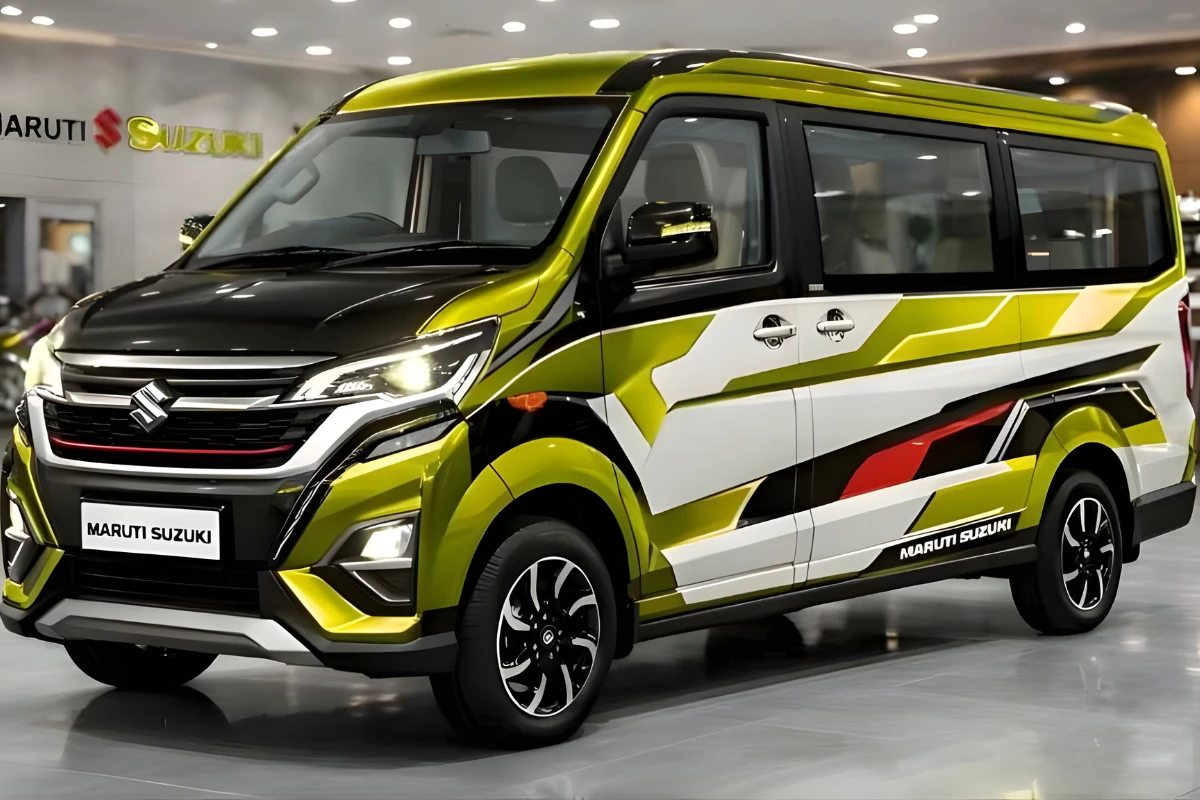
Maruti Suzuki Mini Bus 2026 Review: The Maruti Suzuki Mini Bus 2026 is a compact passenger transport vehicle in the light commercial and people-mover segment. Designed for the transportation needs of small groups, it targets fleet operators, school transport providers, and rural mobility businesses. The Maruti Suzuki Mini Bus 2026 holds significant value in India’s growing last-mile connectivity market, offering a practical and cost-effective solution for operators seeking reliable, high-capacity urban and intercity travel options.
Engine and Performance
The Maruti Suzuki Mini Bus 2026 is powered by a refined petrol and CNG-compatible engine that delivers consistent power output for loaded passenger operations. The powertrain prioritizes torque delivery at low and mid-range RPMs, ensuring smooth acceleration under full passenger load. Transmission options include a manual gearbox optimized for frequent stops and starts, making it ideal for urban routes, school runs, and short-distance intercity operations where consistent engine responsiveness is essential.
Size and Workspace
Built on a long-wheelbase platform, the Maruti Suzuki Mini Bus 2026 boasts significant interior space, seating eight to twelve passengers, depending on the configuration. The high roof design improves headroom and overall cabin comfort during long journeys. Wide sliding doors on both sides facilitate quick passenger boarding and disembarkation, which is crucial for routes with frequent stops. Overall, it remains compact enough to navigate narrow city streets without compromising on its passenger capacity.
Fuel Efficiency and Mileage
Fuel efficiency is one of the biggest operational advantages of the Maruti Suzuki Mini Bus 2026, which delivers a mileage of approximately 18 to 22 kilometers per liter under standard load conditions on CNG. Petrol variants also offer good efficiency, leading to lower running costs per kilometer. For fleet operators, this translates to lower fuel costs, higher route profits, and longer refueling stops, making daily operations more cost-effective and time-efficient in varying driving conditions.
Safety Features
The Maruti Suzuki Mini Bus 2026 features essential safety features such as a robust body structure, dual front airbags, ABS with EBD, and rear parking sensors. The vehicle also features a child-lock rear door mechanism and seatbelt reminders at all seating positions, meeting safety compliance requirements for school and institutional transport. The improved braking system ensures reduced stopping distances even with a full passenger load, contributing to safe operations on both congested city roads and open highways.
Technology and Connectivity
The Maruti Suzuki Mini Bus 2026 features a functional instrument cluster with digital readouts for fuel level, speed, and engine diagnostics. Operator-focused connectivity includes compatibility with fleet management systems via an onboard diagnostic port. USB charging outlets throughout the cabin enhance passenger convenience on long routes. The infotainment head unit supports Bluetooth audio and hands-free calling, ensuring drivers remain focused while maintaining essential communication functionality during active service hours.

Price and Ownership Value
The Maruti Suzuki Mini Bus 2026 is priced between approximately ₹6.50 lakh and ₹8.80 lakh, depending on the variant, fuel type, and seating configuration. CNG variants offer lower operating costs, significantly improving total ownership value over time. The vehicle benefits from Maruti Suzuki’s extensive service network, ensuring affordable maintenance, quick spare parts availability, and minimal downtime, making it a financially sound investment for both individual operators and organized passenger transport fleets.
Conclusion: Maruti Suzuki Mini Bus 2026 Review
The Maruti Suzuki Mini Bus 2026 offers a robust package, combining reliable engine performance, good fuel efficiency, and practical passenger capacity in a compact and manageable body format. With seating capacity for up to twelve passengers, a competitive price between ₹6.50 lakh and ₹8.80 lakh, and low running costs, it is a great solution for transport operators seeking reliable, cost-efficient, and passenger-friendly mobility in both urban and semi-urban environments.